Find out how this project started and what drives us.

background

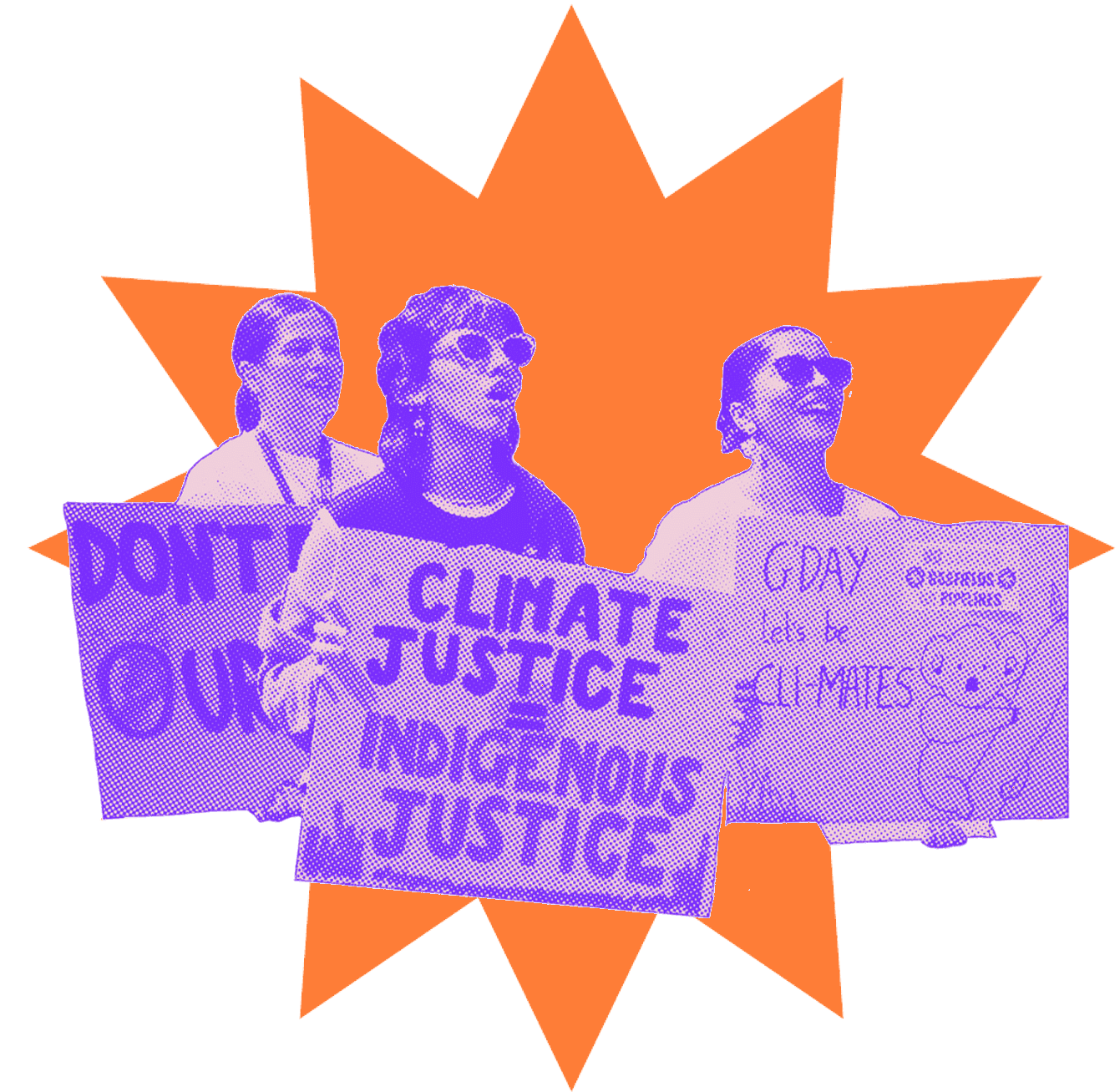
In 2018 we were inspired by the mobilisation of thousands of young people around Australia striking from school for the climate.


In 2019 we first collected School Strike 4 Climate data as part of a 19-country study about who is taking part in climate protests (de Moor et al. 2019). Since then, we have been developing a conceptual framework, research and analytical methods - in partnership with young people - to understand how young people and their allies are organising and acting for climate justice. We are inspired by their leadership in calling for urgent and meaningful responses to the climate crisis and we believe these have broader implications for the health of our democracy - here in Australia, and around the world.

Over three years (2022-2025) we have mapped student climate action around Australia through:

Social/media
analysis

in-depth
interviews

document
analysis

visual
analysis

surveys

Over three years (2022-2025) we have mapped student climate action around Australia through:

Social/media
analysis

in-depth
interviews

document
analysis

visual
analysis

surveys

Our project plan

We have worked with young people to document and analyse how they participate in climate actions - from the streets, to social media, to the courts and our parliaments.


From this, we have generated rich insights into what moves young people to become politically active and how they are conceptualising and making politics in a time of climate crisis.

We have communicated this in scholarly publications, in the media and young people have interpreted our work to create images, videos, a podcast and a book.

This website is a living repository of our collaborative efforts and our hope that this work will help everyone to do more to solve the climate crisis through a stronger, more inclusive democracy!

The New Possibilities project centres around the following primary themes:

New Possibilities: Learning from climate activism

The Learning from Climate Activism research theme explores how climate movements, particularly youth-led initiatives like SchoolStrike4Climate, are reshaping civic participation and climate advocacy. This stream highlights the transformative potential of youth activism in reimagining political participation, democratic opportunity structures and citizenship education.

Collective Possibilities: Leadership and gender

The Leadership and Gender research theme examines the crucial role of young women and gender-diverse activists in shaping contemporary climate politics. Building on the prominence of female leadership in movements like School Strike 4 Climate, we explore how political participation is gendered and emerging leadership styles, and resistance to exclusionary power structures. We highlight the transformative impact of women and girls’ leadership in challenging traditional power dynamics and advancing climate justice.

Creative Possibilities: Learning from Climate Communication

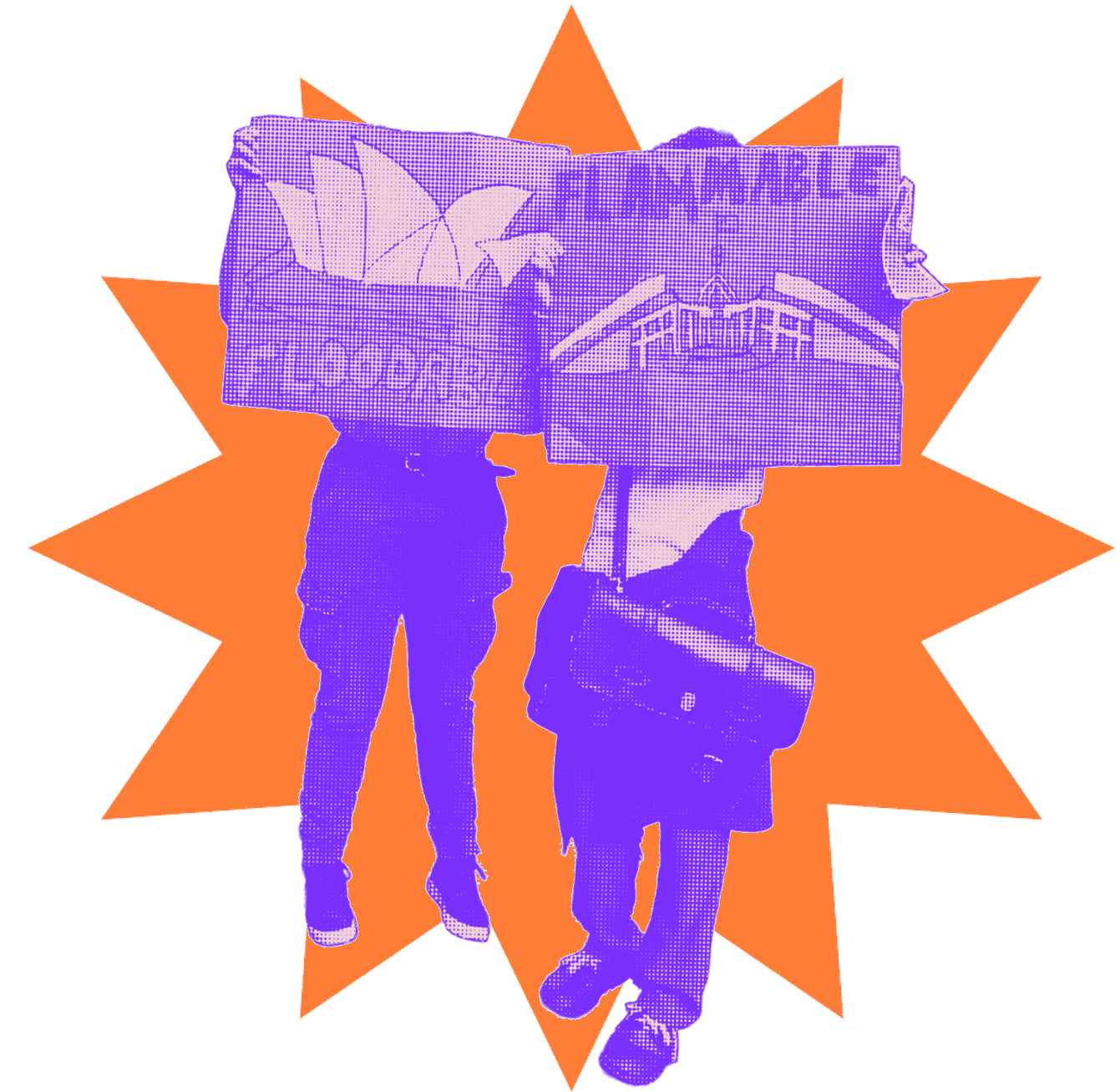
The Visual Communication research theme examines the significance of young people’s visual politics as displayed on protest placards at Sydney’s School Strike for Climate (SS4C) events since 2019. We have developed an innovative method for analysing visual artefacts to capture the diverse visual expressions of young activists and their evolving climate concerns. Recognising the power of visual language in political participation, we explore how visual activism can challenge and reshape our social, environmental, and political understandings of youth climate action.

Just Possibilities: Shaping Institutions

The Shaping Institutions theme explores how young people are using the law and legislation to drive climate action and hold governments and corporations accountable for environmental harm. Building on landmark cases in Australia and globally, this research examines the role of youth-led legal challenges in shaping climate policy, expanding legal interpretations of harm, and advocating for intergenerational justice. Our study highlights the power of litigation as a tool for systemic change. We investigate how legal strategies, rights-based arguments, and judicial decisions can redefine responsibilities for climate action and influence broader social movements.

Moving Possibilities: Moral and political emotions & new citizenship norms

The Moral and Political Emotions & New Citizenship Norms research theme explores how moral and political emotions feature in youthful politics and the implications these have for democratic participation and civic norms. Student climate activists, often unable to vote, use speech, protest, and strategic action to demand political recognition, rights, and climate justice. By analysing the moral and political emotions expressed in their activism—such as anger, hope, and solidarity—this study highlights how youth-led movements challenge conventional political norms and redefine what it means to be a citizen. We explore how emotional and ethical engagement fosters new forms of political belonging, disrupting traditional power structures and amplifying young people's agency in shaping climate futures.

The New Possibilities project centres around the following primary themes:

New Possibilities: Learning from climate activism

The Learning from Climate Activism research theme explores how climate movements, particularly youth-led initiatives like SchoolStrike4Climate, are reshaping civic participation and climate advocacy. This stream highlights the transformative potential of youth activism in reimagining political participation, democratic opportunity structures and citizenship education.

Collective Possibilities: Leadership and gender

The Leadership and Gender research theme examines the crucial role of young women and gender-diverse activists in shaping contemporary climate politics. Building on the prominence of female leadership in movements like School Strike 4 Climate, we explore how political participation is gendered and emerging leadership styles, and resistance to exclusionary power structures. We highlight the transformative impact of women and girls’ leadership in challenging traditional power dynamics and advancing climate justice.

Creative Possibilities: Learning from Climate Communication

The Visual Communication research theme examines the significance of young people’s visual politics as displayed on protest placards at Sydney’s School Strike for Climate (SS4C) events since 2019. We have developed an innovative method for analysing visual artefacts to capture the diverse visual expressions of young activists and their evolving climate concerns. Recognising the power of visual language in political participation, we explore how visual activism can challenge and reshape our social, environmental, and political understandings of youth climate action.

Just Possibilities: Shaping Institutions

The Shaping Institutions theme explores how young people are using the law and legislation to drive climate action and hold governments and corporations accountable for environmental harm. Building on landmark cases in Australia and globally, this research examines the role of youth-led legal challenges in shaping climate policy, expanding legal interpretations of harm, and advocating for intergenerational justice. Our study highlights the power of litigation as a tool for systemic change. We investigate how legal strategies, rights-based arguments, and judicial decisions can redefine responsibilities for climate action and influence broader social movements.

Moving Possibilities: Moral and political emotions & new citizenship norms

The Moral and Political Emotions & New Citizenship Norms research theme explores how moral and political emotions feature in youthful politics and the implications these have for democratic participation and civic norms. Student climate activists, often unable to vote, use speech, protest, and strategic action to demand political recognition, rights, and climate justice. By analysing the moral and political emotions expressed in their activism—such as anger, hope, and solidarity—this study highlights how youth-led movements challenge conventional political norms and redefine what it means to be a citizen. We explore how emotional and ethical engagement fosters new forms of political belonging, disrupting traditional power structures and amplifying young people's agency in shaping climate futures.

Contact us

youngandresilient@westernsydney.edu.au

get involved

Whether you are a young person, educator, collaborator or funder - there is a place for you in this project. Reach out and let’s talk.

You can reach us via the contact page, or directly through email. Be the first to get our ideas, invites and breakthroughs.
Join the list with you email.

Contact us

youngandresilient
@westernsydney.edu.au

get involved

Whether you are a young person, educator, collaborator or funder - there is a place for you in this project. Reach out and let’s talk.

You can reach us via the contact page, or directly through email. Be the first to get our ideas, invites and breakthroughs.
Join the list with you email.

Contact us

youngandresilient
@westernsydney.edu.au

get involved

Whether you are a young person, educator, collaborator or funder - there is a place for you in this project. Reach out and let’s talk.

You can reach us via the contact page, or directly through email. Be the first to get our ideas, invites and breakthroughs.
Join the list with you email.

Contact us

youngandresilient@westernsydney.edu.au

get involved

Whether you are a young person, educator, collaborator or funder - there is a place for you in this project. Reach out and let’s talk.

You can reach us via the contact page, or directly through email. Be the first to get our ideas, invites and breakthroughs.
Join the list with you email.